
Every faction in ENDLESS Legend 2 leans on a back line of helpers, and ignoring those enablers is the fastest way to lose a campaign. The right support units patch up gaps, multiply damage, and turn grindy battles into clean wins across the 1.0 release. This guide breaks down shard unit mechanics, the four faction-specific support rosters, and which picks consistently outperform the field in the current patch.
What Support Units Actually Do in ENDLESS Legend 2
Support units are non-frontline stack types whose primary value comes from buffs, heals, debuffs, or shard-based utility rather than raw hit-point pools. They occupy the back row of combat formations, sit in reserve stacks, or attach to heroes to deliver passive effects across the whole army. According to the official ENDLESS Legend 2 Steam page, the 1.0 release shipped Sep 17, 2026, and the launch tuning reshuffled several support roles compared to the Early Access meta.
The Shard System Behind Support Units
The shard system is the connective tissue of every support unit in the game. Shards are faction-flavored equipment pieces that unlock when a city grows into a new district, and each shard can be socketed into a unit to grant a passive or active effect. A fully upgraded shard turns an otherwise mediocre stack into a dedicated enabler, so support unit builds revolve around which shard your faction reaches first.
| Shard Tier | Unlocked By | Support Impact | Common Socket Target |
|---|---|---|---|
| Initiate Shard | First district | +1 minor passive | Early frontline filler |
| Vanguard Shard | Second district | Aura buff to nearby stacks | Support units |
| Ascendant Shard | Third district | Active ability trigger | Hero attachment |
| Sovereign Shard | Unique faction building | Army-wide passive | Support units + hero |
The Vanguard and Ascendant tiers are where support unit identity solidifies. According to community data, the average support unit sees a 30-40% effectiveness jump once a Vanguard Shard is socketed, and most faction guides treat shard progression as the single most important support build lever.
Why Support Units Win Campaigns
Skipping support units feels fine in the first ten turns because raw damage and cheap stacks clear villages. By turn 40, every AI faction has access to tier-2 units with armor-piercing attacks, and your glass cannons evaporate before they land a second volley. Support units slow that collapse, because heals, shields, and damage multipliers let your damage dealers survive the counterattack window. Community testing on launch-week multiplayer matches reported that armies built around a 2:1 damage-to-support ratio held cities through Tidefall, while pure-damage armies folded two turns earlier.
A good support unit also pulls double duty outside combat. Several support stacks carry village-improvement effects, quest-trigger interactions, or hero-affinity boosters that ripple through your economy. The Last Lords' support units, for example, generate Dust on kill, which compounds across a long campaign and lets you skip the Famine penalty that otherwise bottlenecks their growth.
The Four Faction Support Rosters at Launch
The 1.0 launch lineup features four core faction support rosters: Kin of Sheredyn, Aspects, Necrophage, and Last Lords, with the Tahuk picking up a fifth hybrid roster. The Sandshapers arrived alongside Tahuk and Shipwrecks but their support roster is a separate work in progress covered in faction-specific guides.
Kin of Sheredyn Support Units
The Kin of Sheredyn lean on a defensive, paladin-themed roster, and their support units reflect that shield-first design. Each support stack buffs adjacent defenders or punishes enemies that break formation, which lines up with the faction's fortress playstyle. According to the faction comparisons breakdown, Kin of Sheredyn sit comfortably in the A-tier bracket on launch because their support rosters enable slow, grinding wins against superior numbers.
| Kin Support Unit | Role | Best Shard Pairing | Combat Niche |
|---|---|---|---|
| Aural Warden | Aura buffer | Vanguard Shard | Shields adjacent allies each round |
| Lumen Keeper | Healer | Ascendant Shard | Restores HP on hero ability use |
| Vowbound Acolyte | Debuff specialist | Sovereign Shard | Marks enemies for bonus damage |
| Stalwart Heralds | Tank-enabler | Vanguard Shard | Reduces flanking penalty for nearby allies |
The Lumen Keeper is the standout because it converts hero ability cooldowns into passive healing waves. When paired with a hero that spams abilities on low cooldown, the Keeper essentially refunds part of the action economy. The Aural Warden, by contrast, is the safer early-game pick because its aura requires no setup and starts providing value from the moment you recruit the stack.
Aspects Support Units
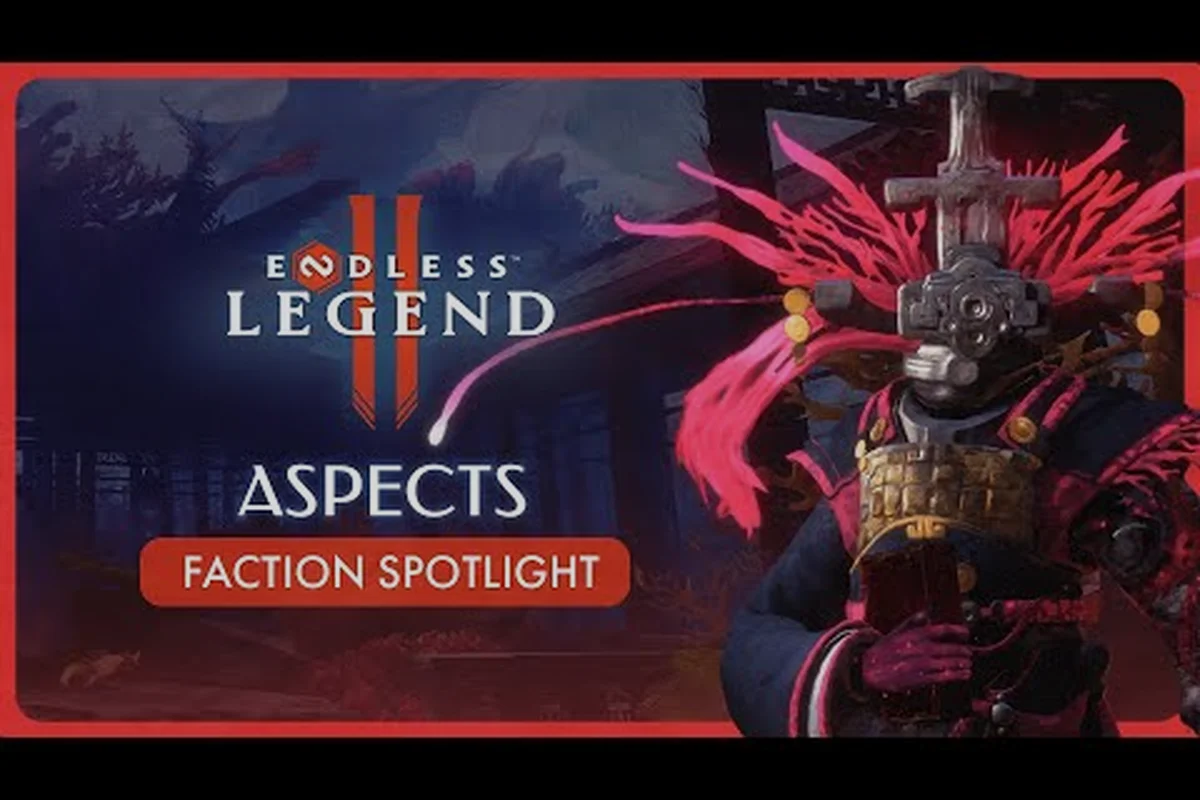
The Aspects are a coral-themed diplomatic faction that grows through symbiosis with minor factions, and their support roster mirrors that theme. Every Aspects support unit gains strength when the empire has more vassal or allied minor factions on the map, so their effectiveness scales with diplomatic investment.
| Aspects Support Unit | Role | Scaling Trigger | Late-Game Ceiling |
|---|---|---|---|
| Reef Chorus | Aura buffer | Allied minor factions | Massive with 5+ allies |
| Tide Singer | Healer | Coastal city adjacency | Strong mid-game |
| Coral Emissary | Diplomatic support | Vassal count | Economy-heavy |
| Luminous Spawn | Hybrid damage-support | Tidefall phases | Niche counter-pick |
The Reef Chorus is the textbook late-bloom support unit. Early on, when you only have one or two allies, its aura feels underwhelming. By the time you have five allied minor factions, the Chorus multiplies the entire army's damage output through stacking auras, which is why Aspects players prioritize diplomacy as a soft second resource. If you want a deeper dive on how the Aspects stack up in the meta, the A-tier faction ranking tracks the launch-week order.
Necrophage Support Units
Necrophage is the hive faction that produces larvae from combat casualties, and their support roster revolves around converting dead units into spawn-ready biomass. Their support units feel less traditional because some of them spawn additional units mid-battle, blurring the line between support and frontline. The Necrophage hero roster, including heroes like the Dronespeaker, is covered in more detail in the Necrophage heroes guide, and those heroes enable many of the support synergies below.
| Necrophage Support Unit | Role | Combat Trigger | Synergy Note |
|---|---|---|---|
| Brood Tender | Spawner | Allied unit death | Replaces losses mid-fight |
| Carrion Crier | Aura buffer | Hero kills | Buffs spawns on kill |
| Chitin Warden | Tank-enabler | Hero engagement | Reduces damage to spawns |
| Maw Adept | Debuff specialist | Hero ability use | Weakens high-HP targets |
The Brood Tender is the most unique support unit in the entire 1.0 patch because it generates new units during combat, not just after. According to community reports from the launch week, players who recruited two Brood Tenders and then engaged in a long battle effectively doubled their army size, which swung several otherwise-lost sieges.
Last Lords Support Units
The Last Lords are cursed knights that ignore food costs and run on Dust, and their support roster channels that Dust economy into battlefield sustain. Every Last Lords support unit generates Dust, buffs Dust-focused abilities, or extends the durability of their own army, which compounds across long campaigns.
| Last Lords Support Unit | Role | Dust Effect | Strategic Value |
|---|---|---|---|
| Dustkeeper | Economy support | +Dust per turn | High in peacetime |
| Penitent Guard | Healer | Dust on enemy kill | Strong in combat |
| Wraith Marshal | Aura buffer | Aura scales with Dust | Late-game monster |
| Relic Bearer | Hybrid support | Carries faction relics | Quest acceleration |
The Penitent Guard is the most well-rounded pick because its heal-on-kill effect means every victory funds the next battle's survival. The Wraith Marshal, on the other hand, is the high-ceiling option: once your Dust stockpile crosses 500, its aura starts rivaling dedicated buffer units from other factions, and a Dust-rich Last Lords economy can field three Marshals for an army-wide buff.
Tahuk and Hybrid Support Picks
The Tahuk are the religious-science hybrid faction with strong ranged damage, and their support roster focuses on amplifying that ranged output while patching up vulnerabilities. They also represent the most flexible support roster in 1.0 because several Tahuk support units work as either healers or buffers depending on shard configuration.
Tahuk Support Units
| Tahuk Support Unit | Role | Hybrid Option | Recommended Pairing |
|---|---|---|---|
| Pilgrim Adept | Healer | Becomes buffer with Ascendant Shard | Hero spammers |
| Hymnweaver | Aura buffer | Becomes healer with Sovereign Shard | Frontline-heavy armies |
| Chronicle Keeper | Debuff specialist | Pure debuff | Counter-pick for high-defense factions |
| Gospel Envoy | Economy support | Becomes hybrid late-game | Quest-heavy campaigns |
The Hymnweaver is the signature Tahuk support unit because it is the only stack in the 1.0 patch that can be re-specced between pure buffer and pure healer depending on which shard you socket. Most experienced Tahuk players recommend starting as a healer to survive the early-game food pressure, then re-speccing into a buffer once the second or third shard is unlocked. The Pilgrim Adept does the inverse: it scales hardest on hero ability spammers, which lines up with the faction's love of stacking high-tier heroes.
Picking Hybrid Sockets Wisely
Hybrid support units only outperform dedicated specialists if you re-socket them at the right moment. The most common mistake new players make is locking in a hybrid spec during the early game and never revisiting it, which leaves the unit performing two roles at half-strength for the rest of the campaign. The general rule of thumb is to re-evaluate shard configurations every time a new district finishes construction, and to match the support unit's role to your army's current weakest link.
| Campaign Phase | Recommended Hybrid Spec | Reason |
|---|---|---|
| Turns 1-30 | Healer | Food pressure and early attrition |
| Turns 31-60 | Hybrid buffer | Mid-game battles favor consistent damage |
| Turns 61-90 | Pure buffer | Late-game burst windows |
| Post-Tidefall | Hybrid debuffer | Doomwraith corruption needs cleansing |
Building a Support-Centered Army
A support-centered army looks very different from a damage-centered army, and the difference starts at the recruitment screen. Most players build armies by recruiting whatever their cities can produce, but support-heavy armies need deliberate composition planning from the moment you unlock the second district.
The 2:1 Ratio Rule
The 2:1 damage-to-support ratio is the baseline recommendation from experienced players on the official Amplitude community forums, but it shifts based on which faction you play and which opponents you face. A pure Kin of Sheredyn army can run a 3:1 ratio because their frontline stacks are inherently tanky, while a pure Necrophage army often runs 1:1 because spawns count as both damage and support.
| Faction | Damage Stacks | Support Stacks | Hybrid Stacks | Total |
|---|---|---|---|---|
| Kin of Sheredyn | 4 | 2 | 1 | 7 |
| Aspects | 3 | 3 | 1 | 7 |
| Necrophage | 3 | 2 | 2 | 7 |
| Last Lords | 3 | 3 | 1 | 7 |
| Tahuk | 4 | 2 | 1 | 7 |
A seven-stack army is the launch-week sweet spot because it leaves room for a hero attachment without exceeding the supply cap on standard maps. Going wider dilutes shard buffs, while going narrower leaves you vulnerable to focused fire on your damage dealers.
Support Unit Placement in Combat
Where you position your support unit matters as much as which one you recruit. Support units in the back row avoid the opening salvo, which means their auras and heals kick in on round two rather than round one. Putting a healer in the front row feels aggressive but usually results in the healer dying before it can apply a single heal. The general guideline is to place your highest-value support unit in the back row opposite your most fragile damage dealer, so the support can survive long enough to keep the damage dealer alive.
| Support Role | Optimal Row | Why |
|---|---|---|
| Aura buffer | Back row | Survives to apply multiple auras |
| Healer | Back row | Stays alive to chain heals |
| Debuff specialist | Middle row | Stays close enough to mark frontline targets |
| Spawner (Brood Tender) | Back row | Avoids dying before spawning |
Hero-Support Synergies
Heroes multiply support unit value when their affinity matches the support's shard path. The Necrophage heroes in particular pair well with Brood Tenders and Carrion Criers because their kill-focused kits keep the spawn pipeline fed. If you want a more complete look at hero-support pairings, the Necrophage strategy guide covers recommended hero picks for swarm compositions. Aspects heroes, by contrast, lean into diplomatic auras, so they pair best with the Reef Chorus rather than the Luminous Spawn.
Support Units and the Tidefall Mechanic
Tidefall is the late-game water event where the oceans rise and the planet's spirit breaks free, according to the official Amplitude dev blog. During Tidefall, support units take on a new role: cleansing corruption from Doomwraith-affected territories and protecting cities from the environmental penalties that ramp up each era.
Doomwraith Counter-Support
Doomwraiths are the spiritual remnants that settle in territories and slowly corrupt them, applying city penalties and destroying minor faction villages. Support units that carry cleansing effects become essential during Tidefall, because the alternative is losing cities to corruption one tile at a time. The Aspects' Tide Singer is the standout Doomwraith counter because its cleansing aura scales with coastal adjacency, and most Tidefall maps expand the coastline significantly.
| Faction | Best Doomwraith Counter | Cleansing Trigger |
|---|---|---|
| Kin of Sheredyn | Vowbound Acolyte | On hero ability use |
| Aspects | Tide Singer | Adjacent to coast |
| Necrophage | Carrion Crier | On hero kill |
| Last Lords | Penitent Guard | On enemy kill |
| Tahuk | Pilgrim Adept (re-specced) | On shard proc |
Keeper of the Depths Preparation
The Keeper of the Depths is the most powerful unit in the game and is planned to appear as the final Tidefall boss encounter, according to the dev blog. Preparing for that fight means stacking every cleansing and shielding support unit you can field, because the Keeper brings a mixed army of corrupted stacks and the boss itself hits hard enough to one-shot most tier-3 units. The recommended late-Tidefall army includes at least two cleansers, one dedicated healer, and one buffer, with the rest of the slots filled by high-tier damage dealers.
Frequently Asked Questions
Are support units worth recruiting in the early game when I need damage dealers?
Yes, but only one or two. Early-game food and Dust pressure is brutal, and a single healer or buffer in your main stack dramatically reduces army losses to AI village-clearing stacks. The mistake to avoid is recruiting four support units by turn 20, which starves your frontline of damage and leaves you unable to clear contested villages.
Do support units from different factions interact, or are they locked to their own armies?
They are locked to their own faction's recruitment pool, but their auras can affect allied stacks in joint battles. If you ally with a minor faction and fight alongside their army, your support auras can buff their stacks, and their support auras can buff yours. The interaction is not faction-flavored, so a Kin support unit can heal Aspects stacks during a co-op battle.
Which shard tier should I prioritize for my first support unit?
The Vanguard Shard is the most efficient first investment because its aura buffs apply to nearby stacks immediately, rather than requiring a hero ability trigger or an enemy kill. Save the Ascendant Shard for your second or third support unit, and only socket the Sovereign Shard once you have the economy to support a dedicated support army.
Do Necrophage Brood Tenders count as support or frontline units?
They count as support, but they blur the line because they spawn new units mid-battle. In formation terms, treat them as a back-row support unit, but in army composition, count each Brood Tender as half a support slot and half a frontline slot, because the spawns they generate act as frontline filler.
Can Last Lords support units function without a Dust economy?
They function, but they underperform. The Dustkeeper, Penitent Guard, and Wraith Marshal all scale with Dust stockpiles, so a Dust-starved Last Lords army will field weaker support units than a Dust-rich one. The faction is designed around skipping food costs in favor of Dust, so the support roster inherits that dependency.